Arosa
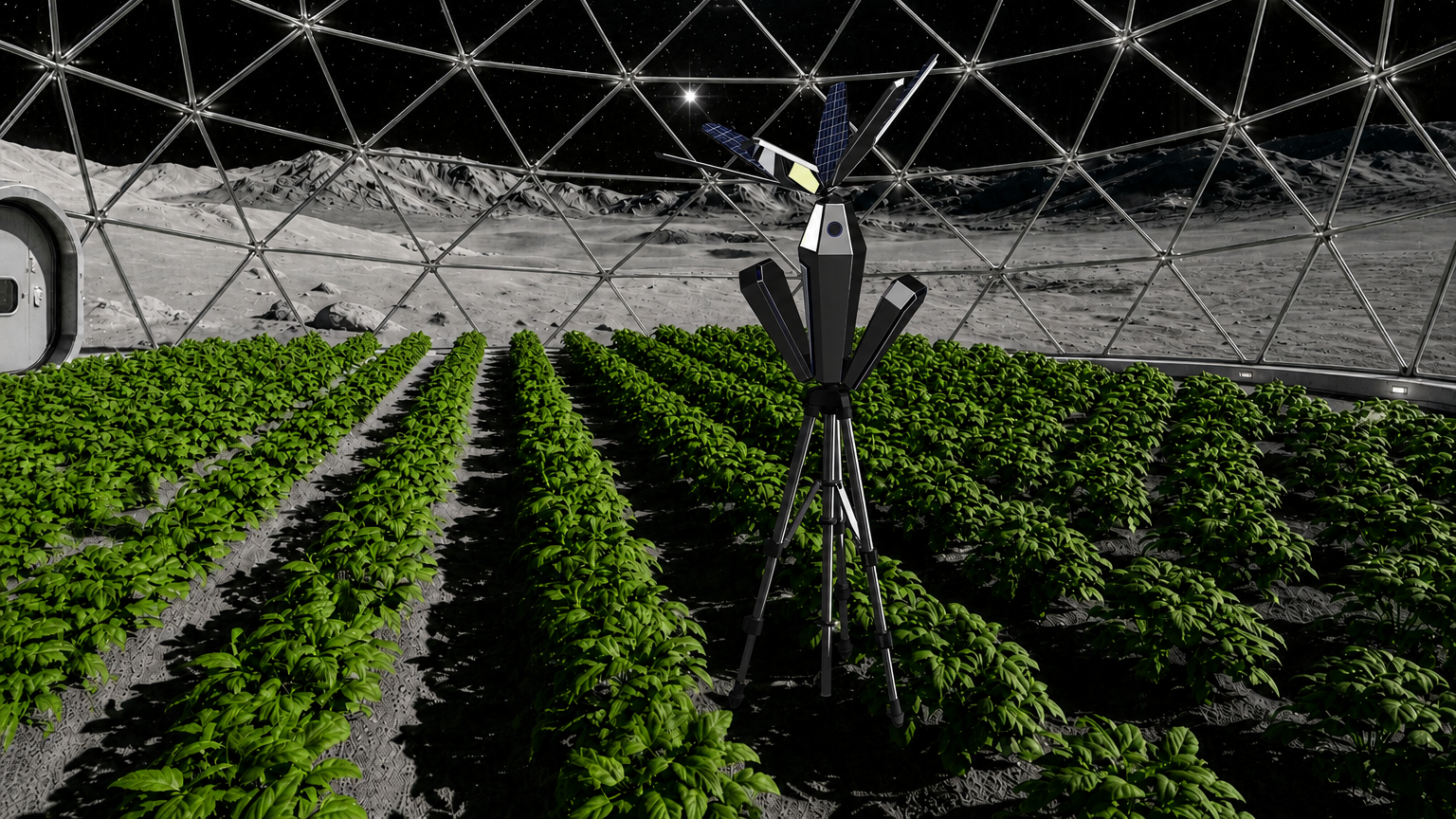
Hydroponic water filtration for the moon
Overview
This speculative industrial design project challenges designers to imagine life 10–20 years in the future and create innovative solutions for problems that may emerge in that world. Using research on science, technology, society, and global trends, students develop a plausible future scenario aligned with one of the United Nations World Health Organization's goals, such as clean energy, sustainable cities, or health and well-being. Through storytelling, concept development, prototyping, and high-fidelity physical modeling, the project explores how design can shape everyday life in a future that feels both imaginative and realistic. The goal is not only to predict future trends but to create immersive and thought-provoking concepts that respond to future human needs while pushing the boundaries of creativity, innovation, and speculative thinking.
Outcome
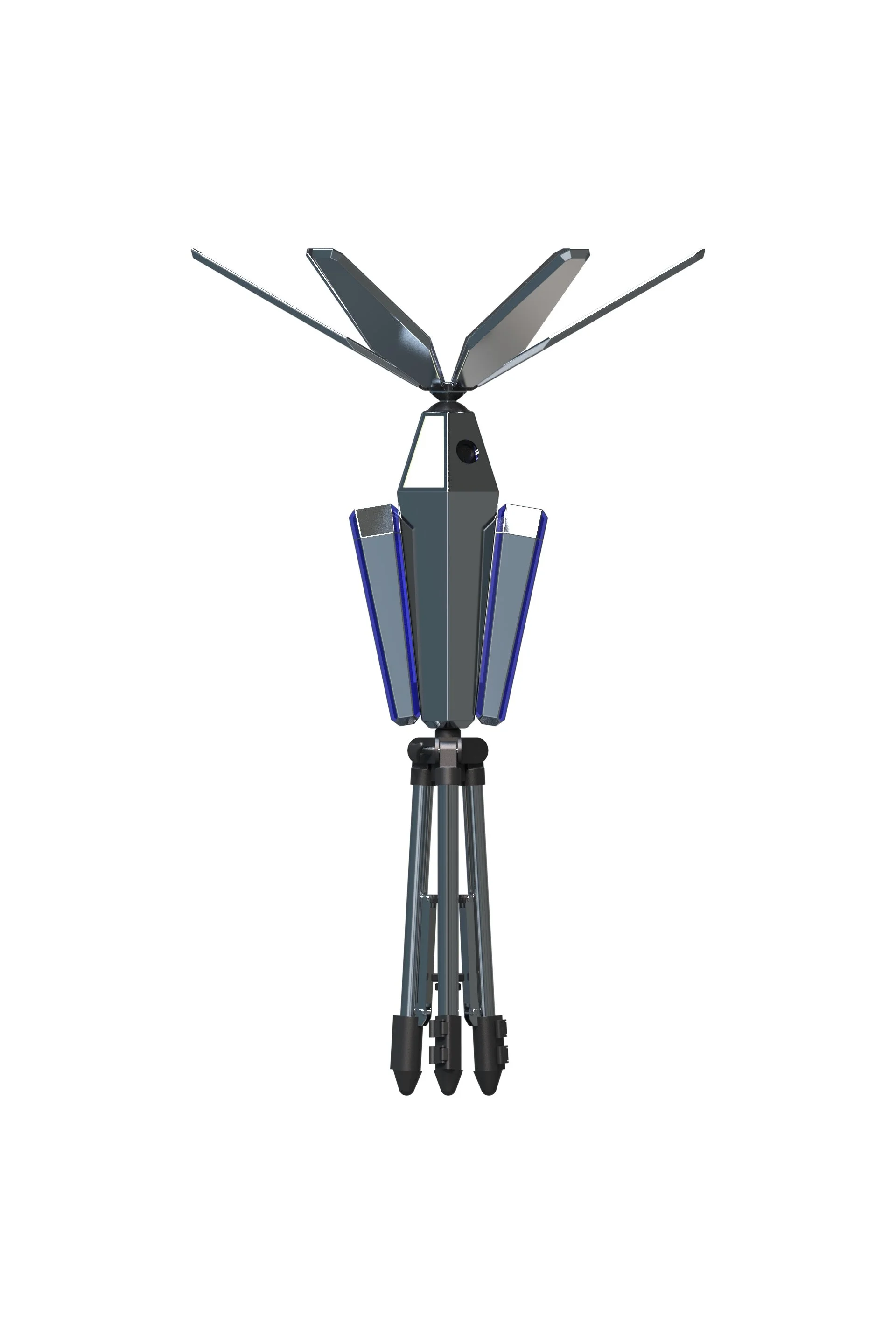
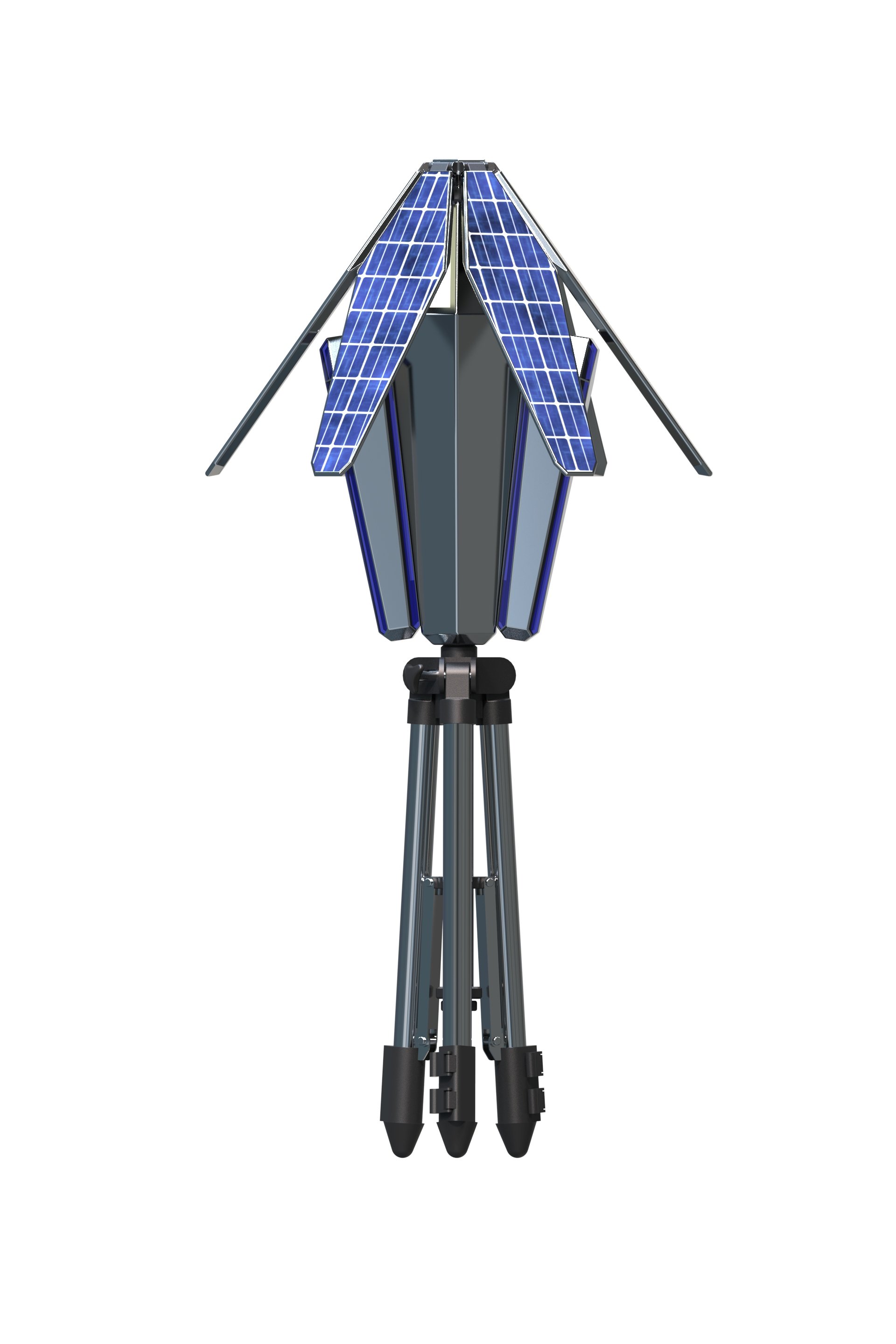
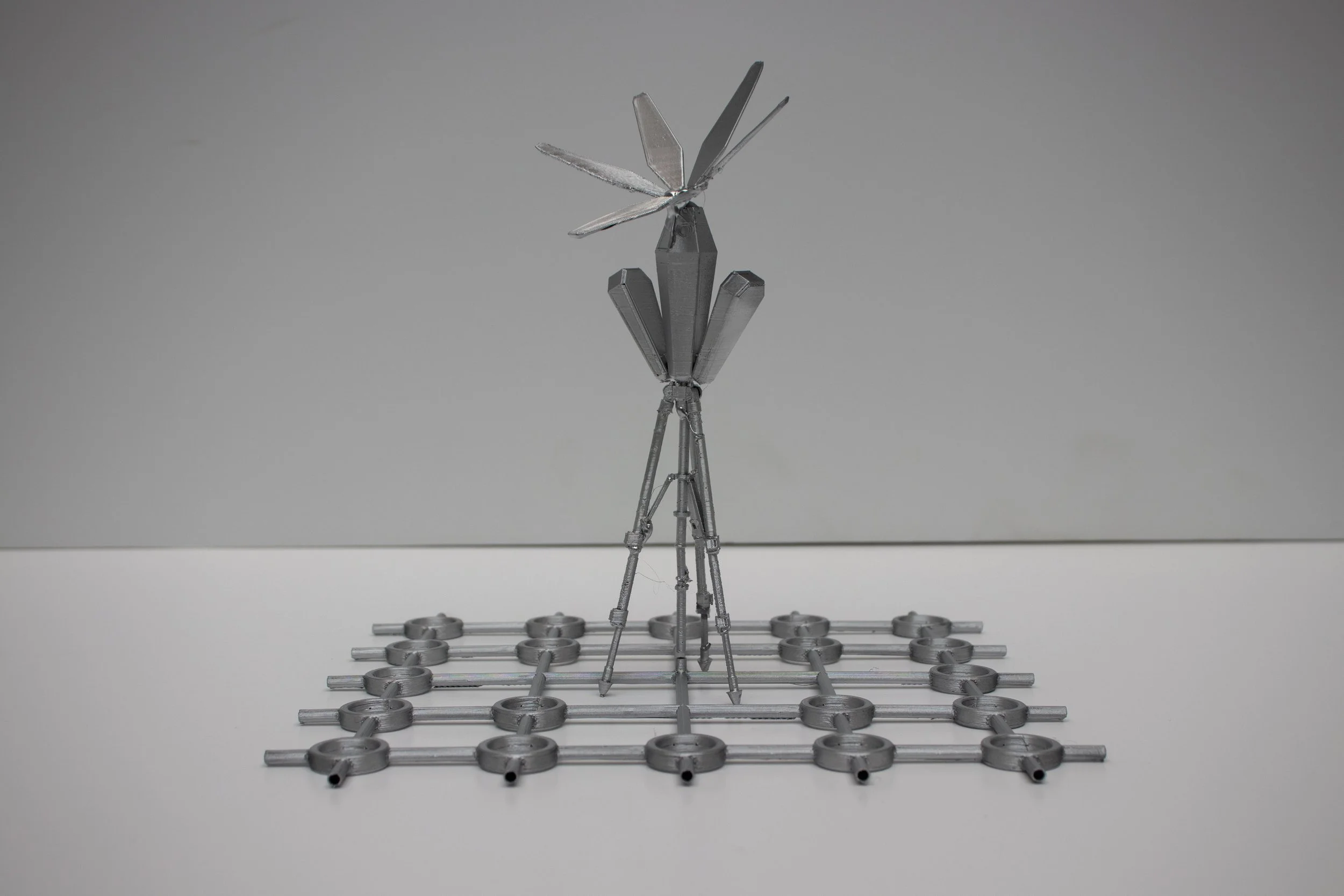
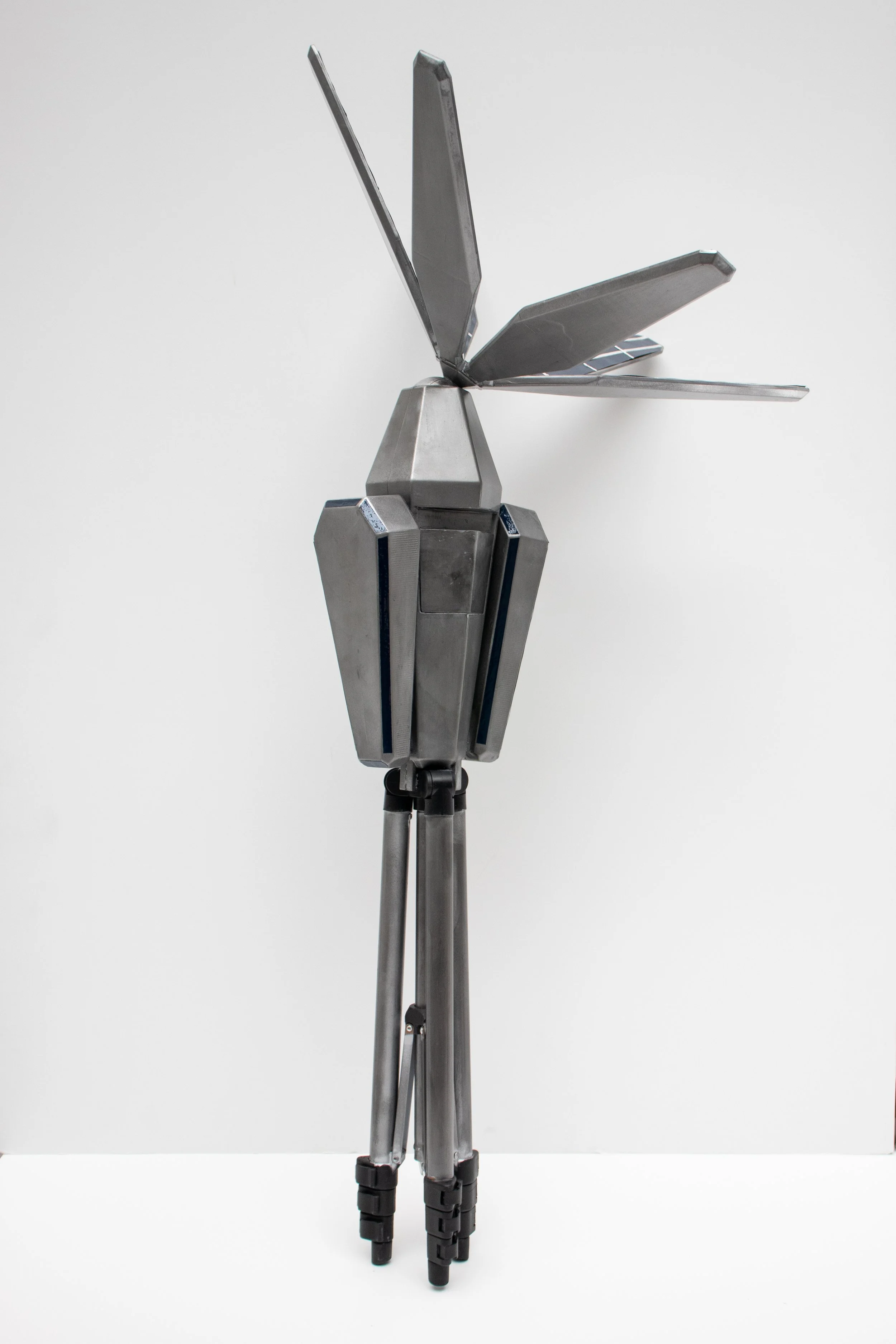
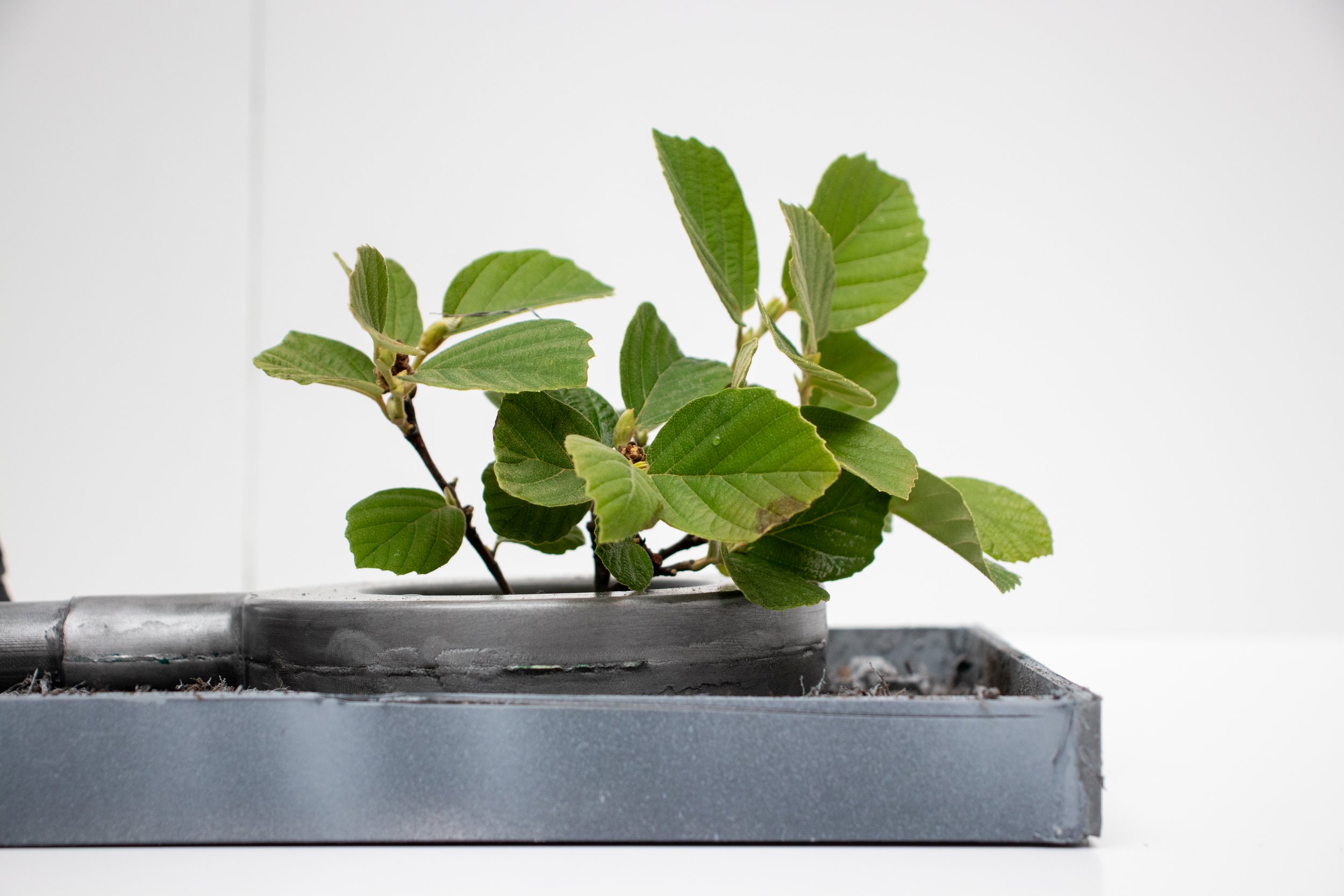
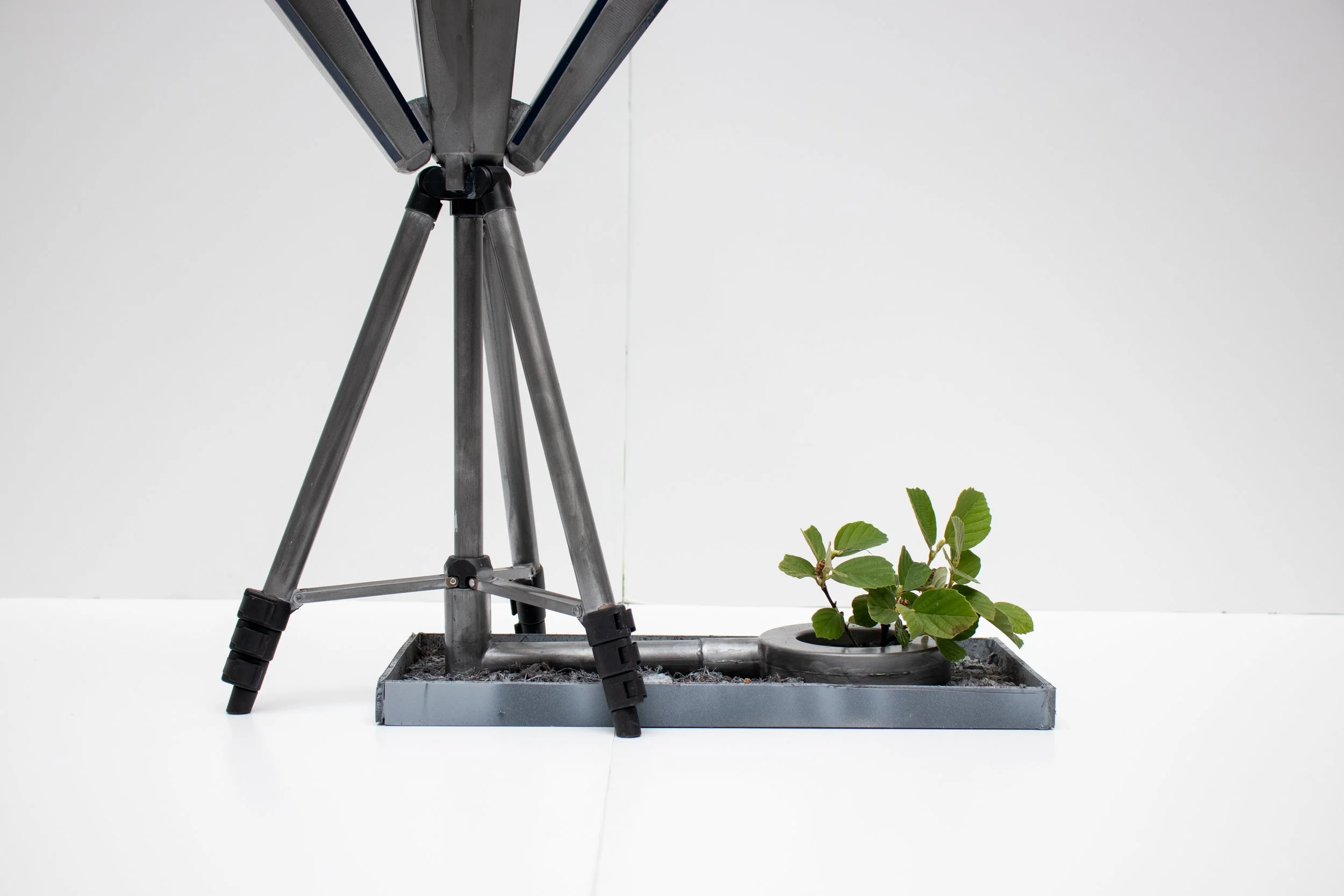
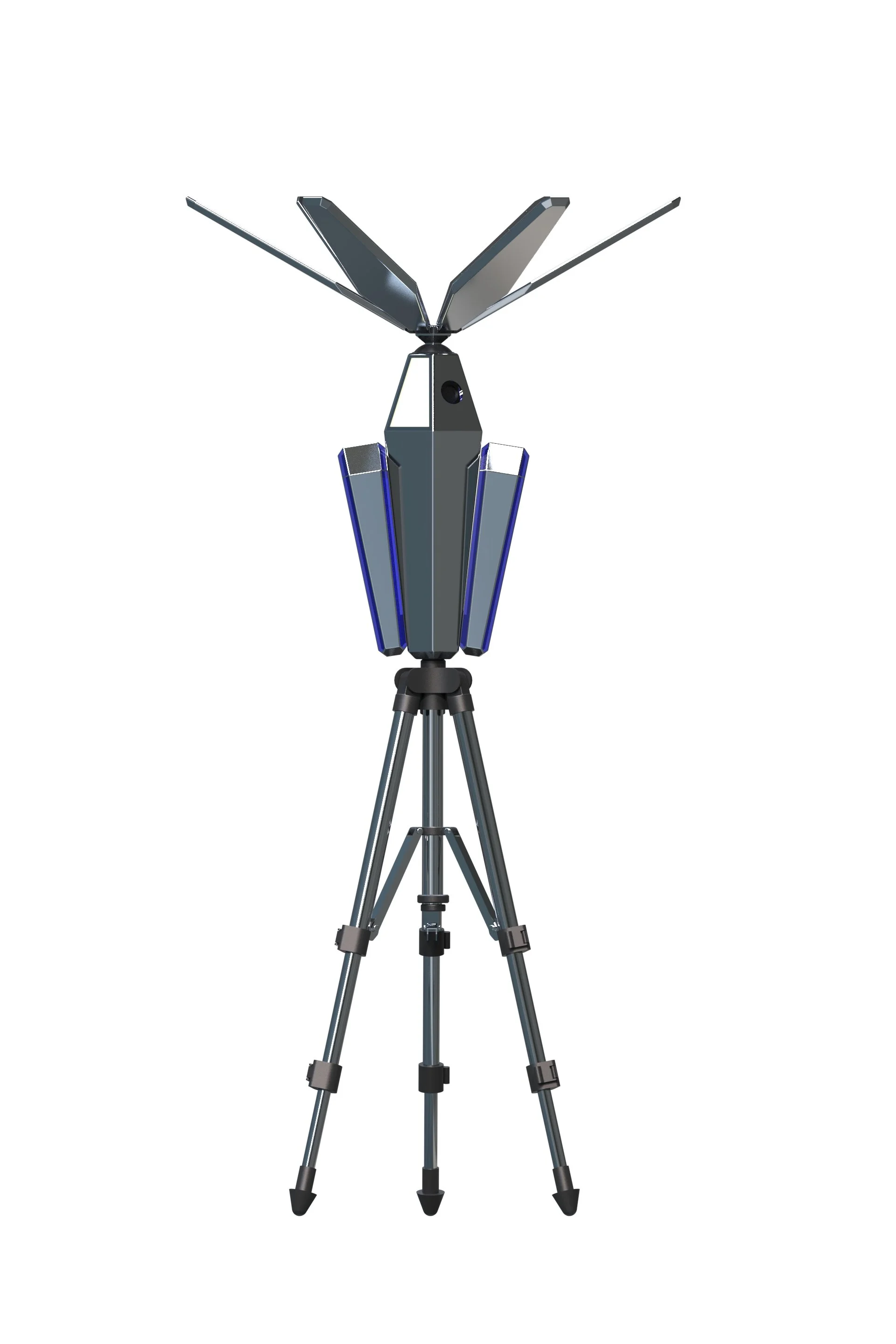
Inspired by the form and beauty of the Arosa flower, the design was created not only as a functional food-growing system, but also as an emotional support object meant to spark joy and comfort in astronauts during long-term lunar missions. The project addressed major challenges astronauts may face while spending months away from Earth, including depression, isolation, limited nutrition, and the difficulty of growing plants in harsh lunar soil conditions. By using a self-contained hydroponic system rather than relying on lunar soil, the concept offers a sustainable way to grow fresh food in space while also improving crew members' mental well-being through nature-inspired design and interaction.
Figure 31
6 Week Project
Spring 2026
Virginia Tech School of Design
World building
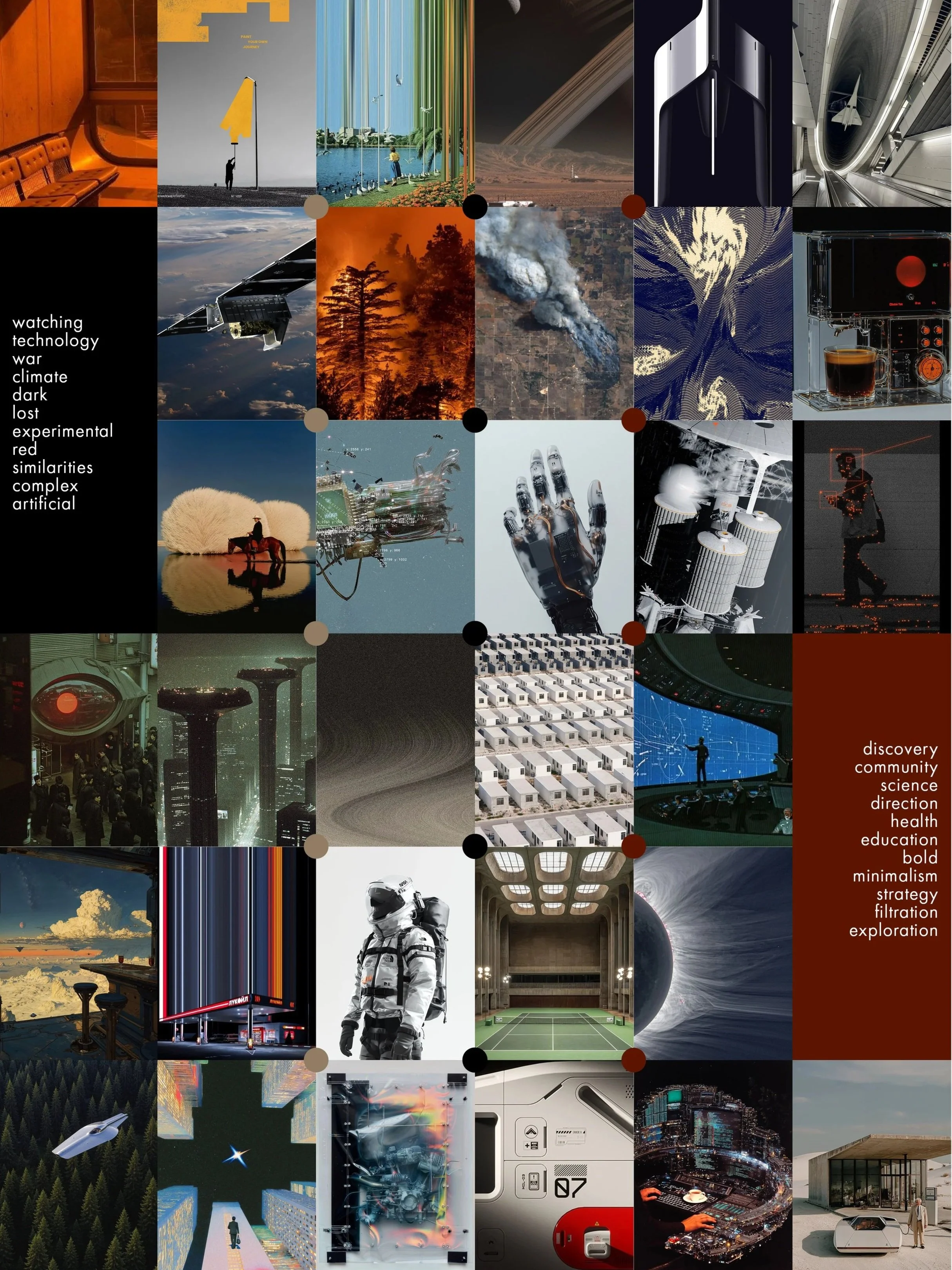
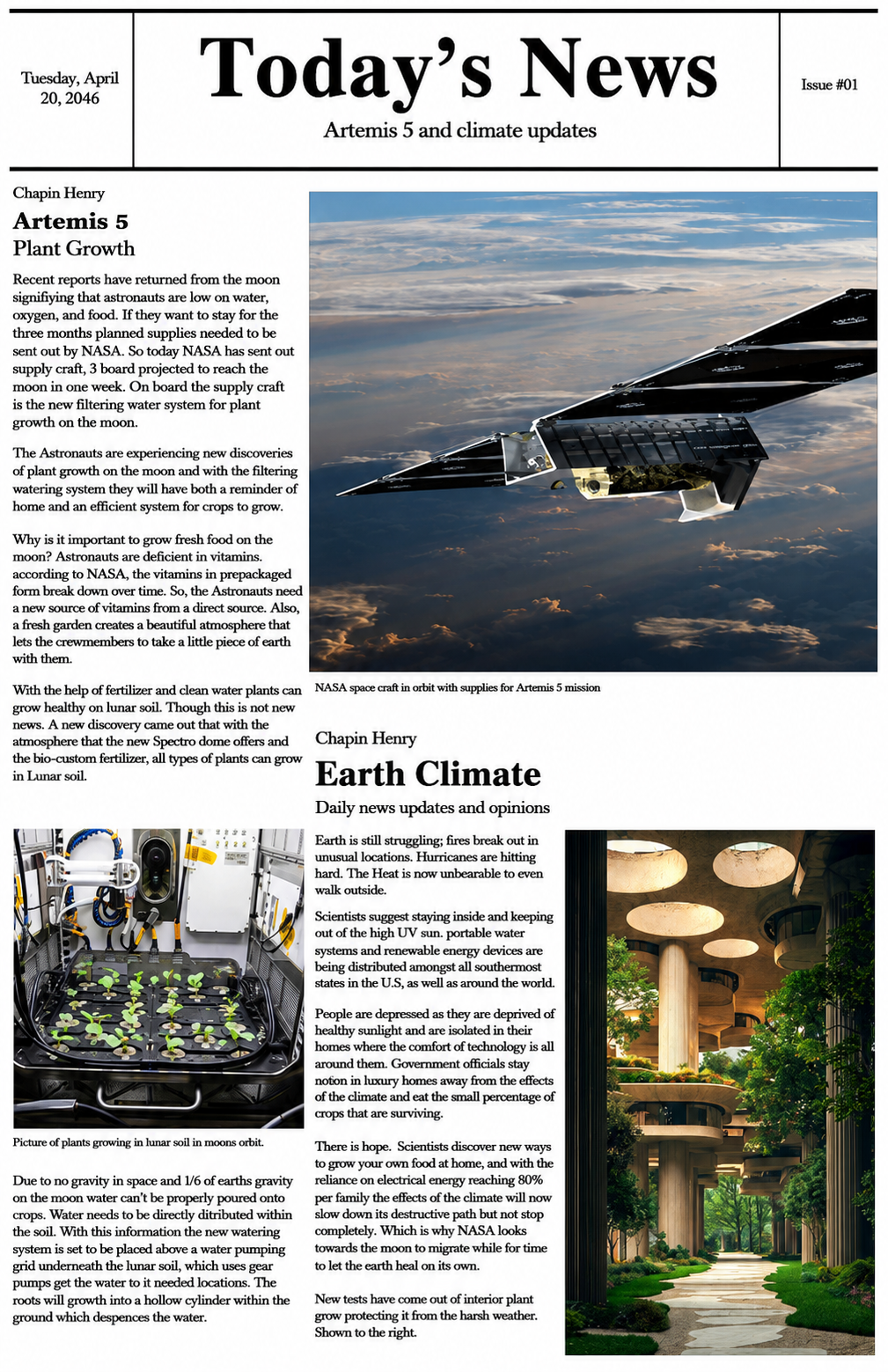
Creating the mood for 2046 and producing a news article for the time zone.
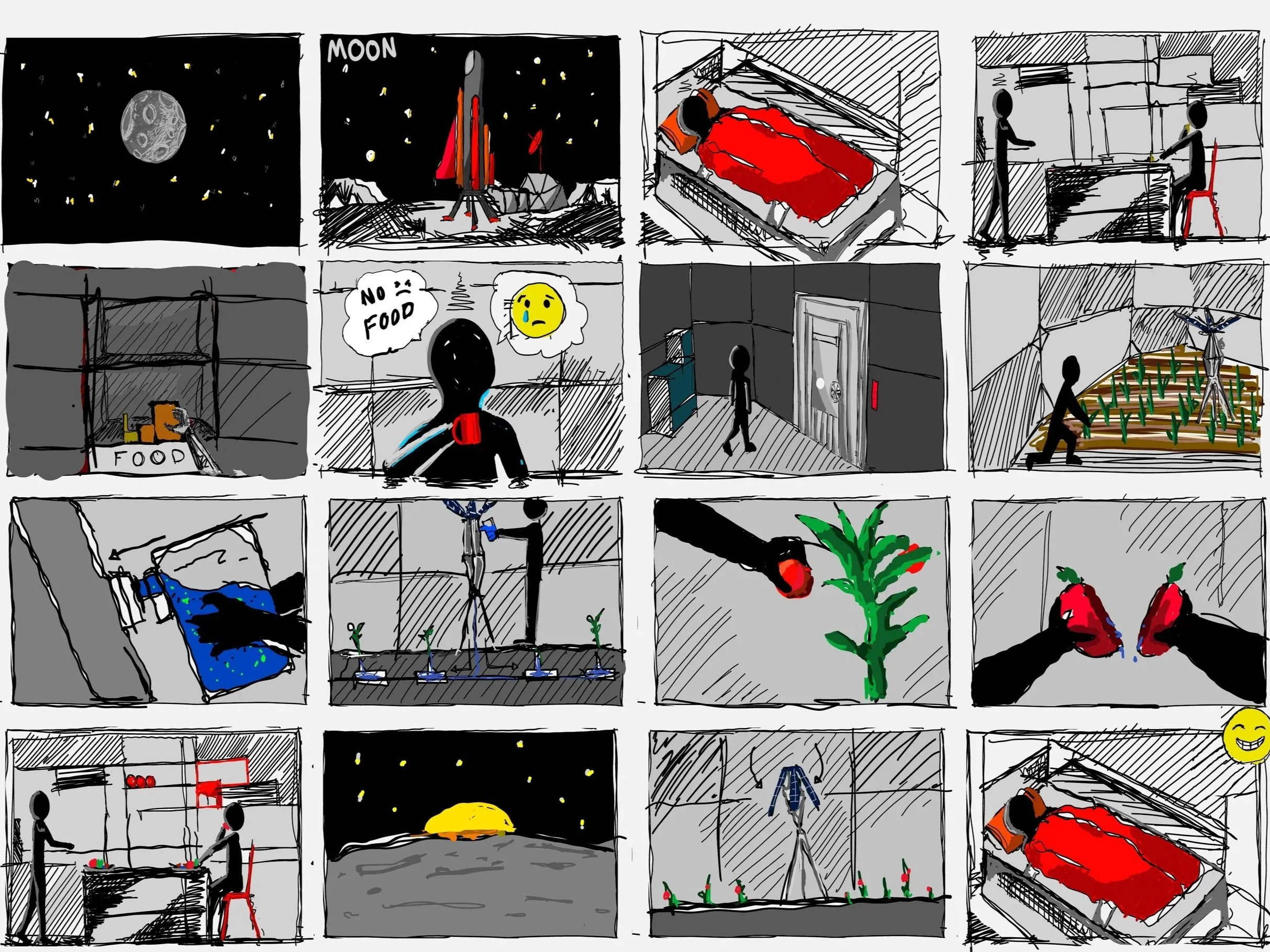
Storyboard
Creating a world where the problem exists.
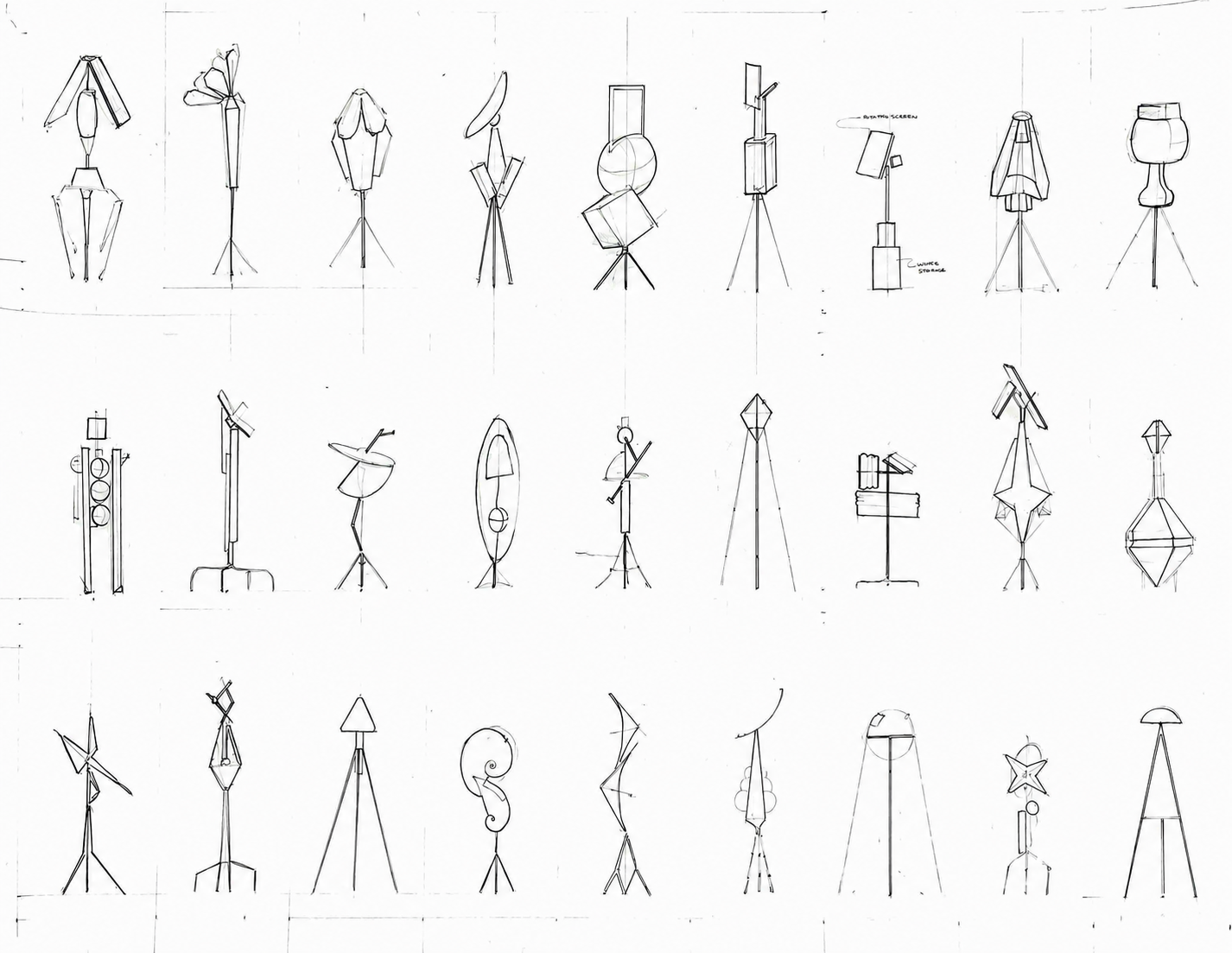
Sketching
Finding structural form.
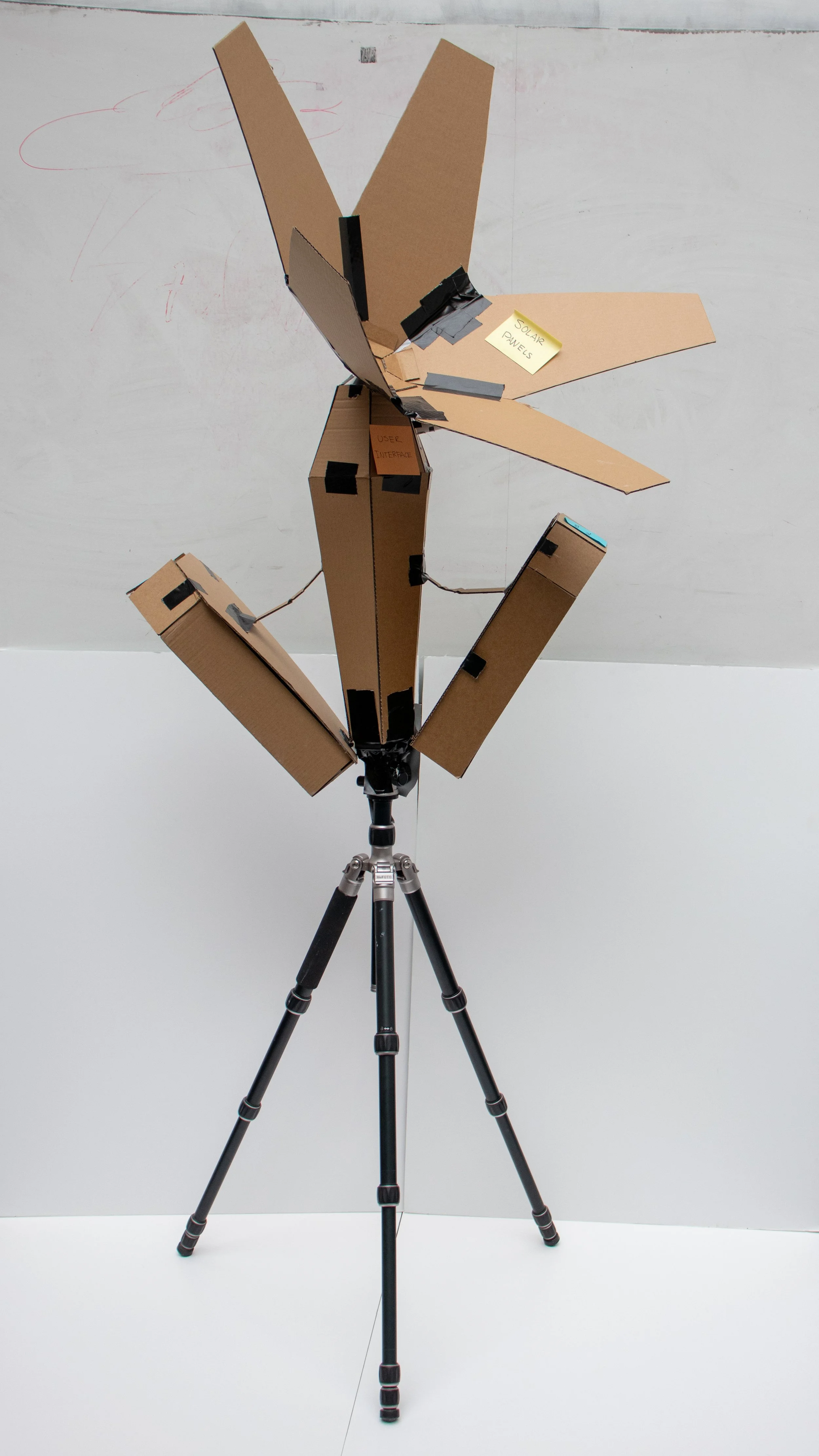
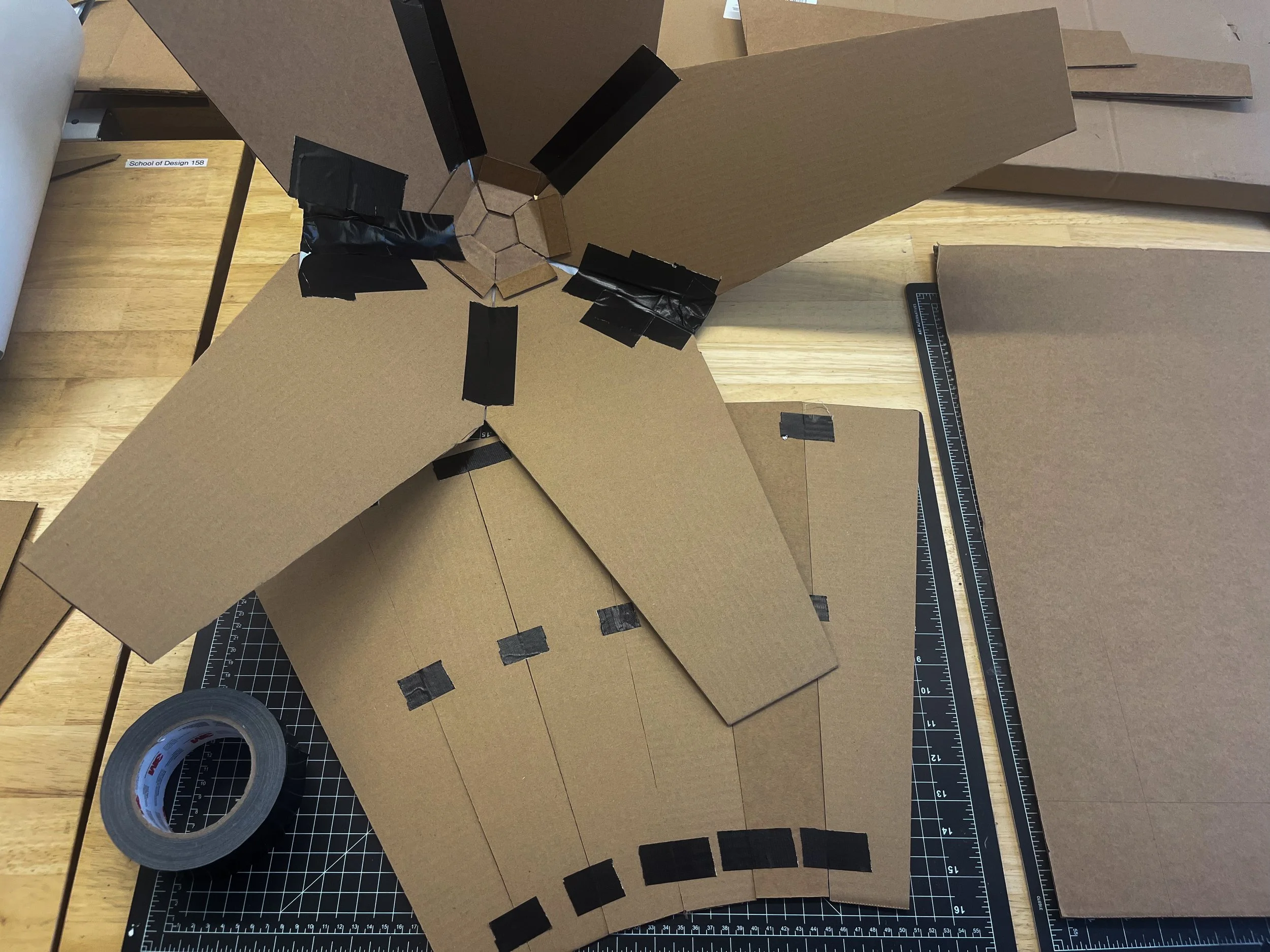
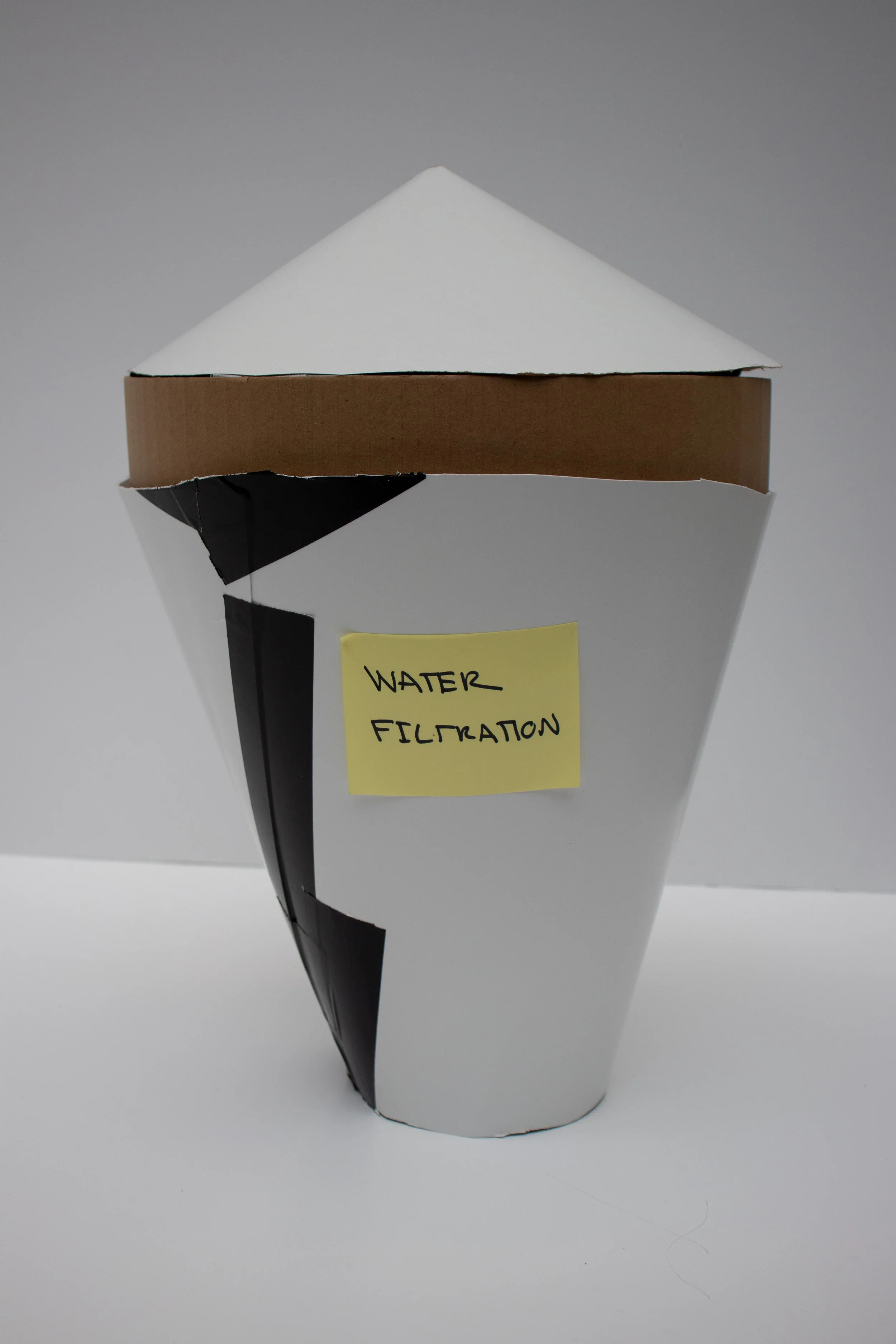
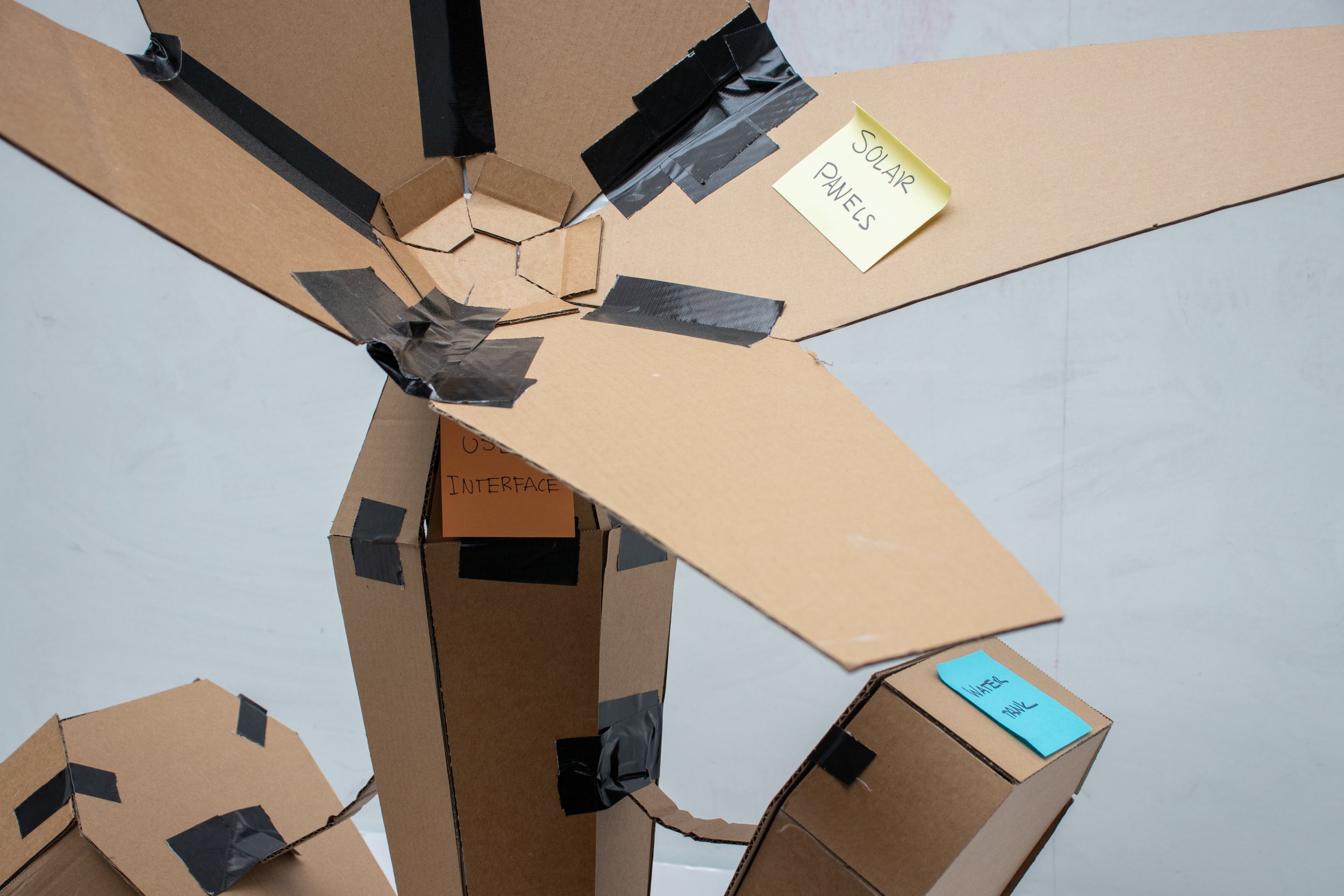
Early quick prototyping
Bringing form to life and judging scale.
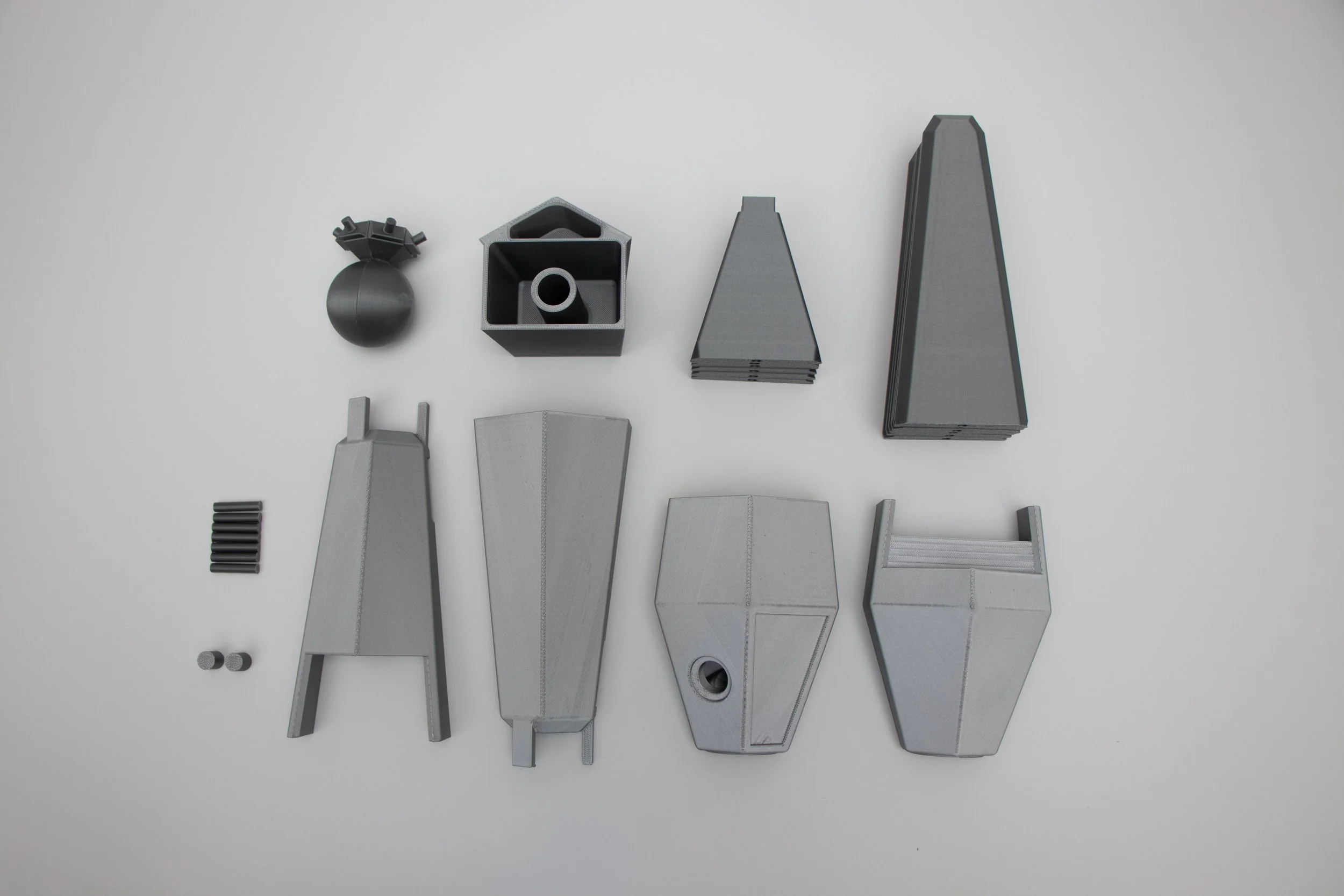
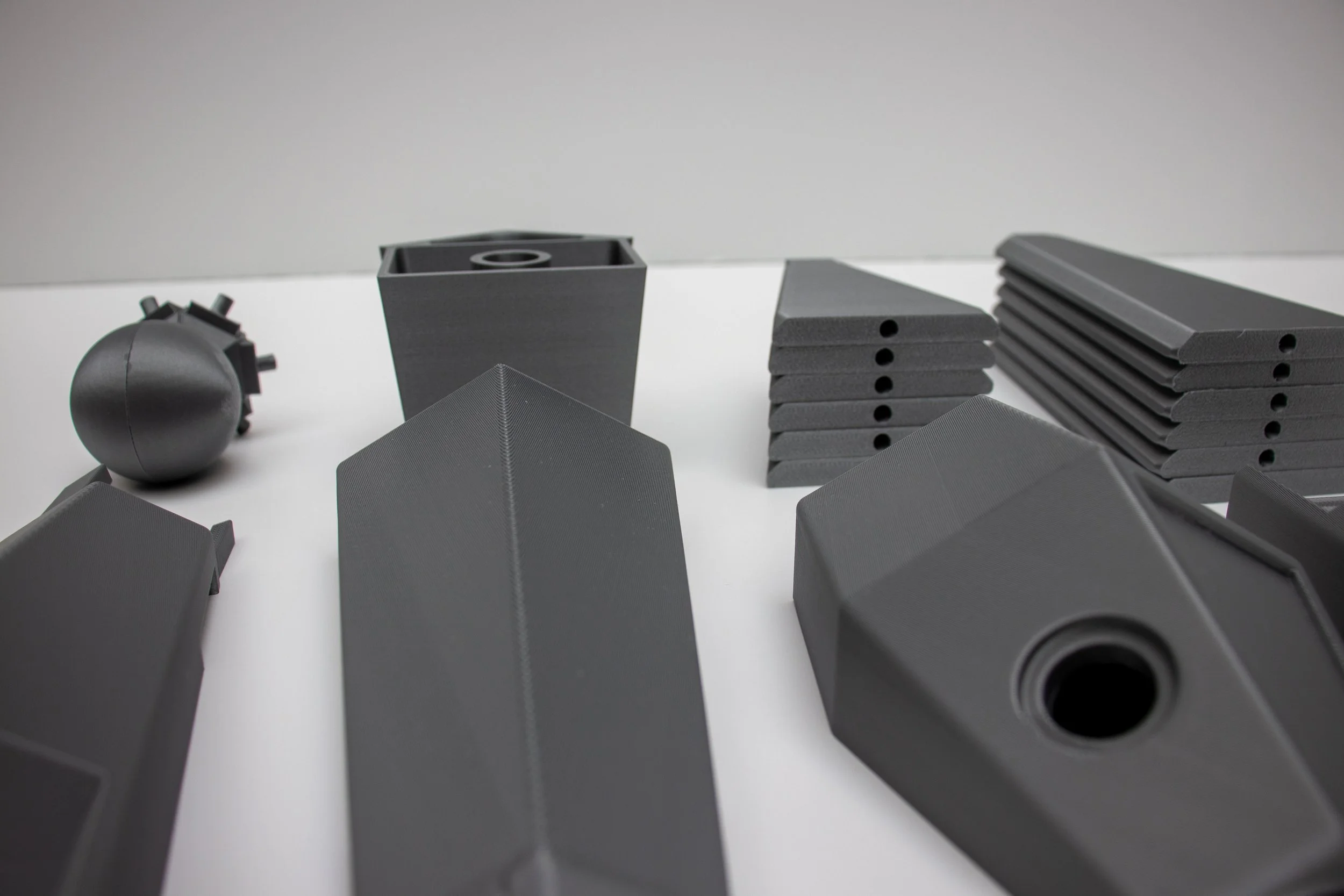
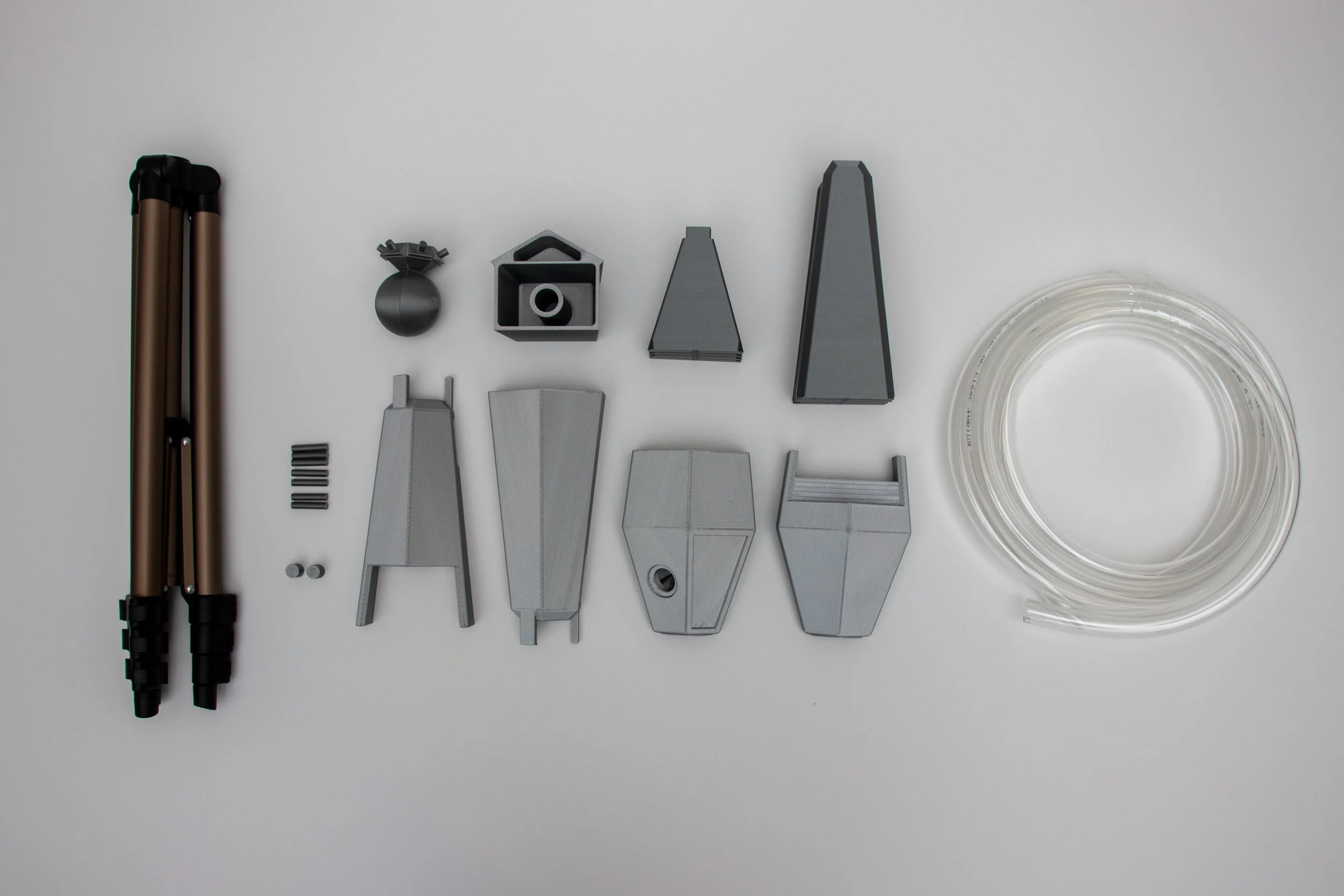
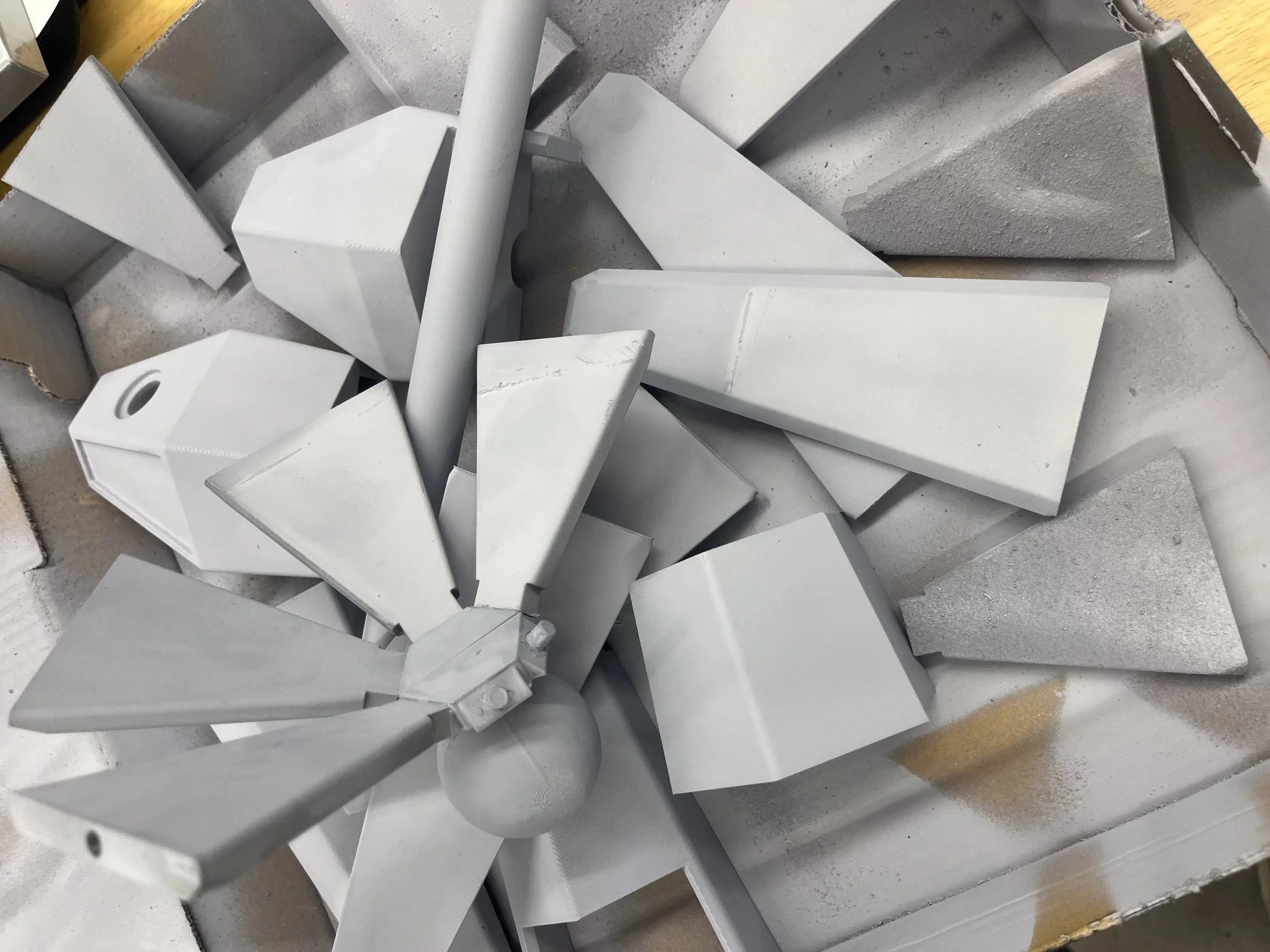
3D printing final prototype parts
30 parts
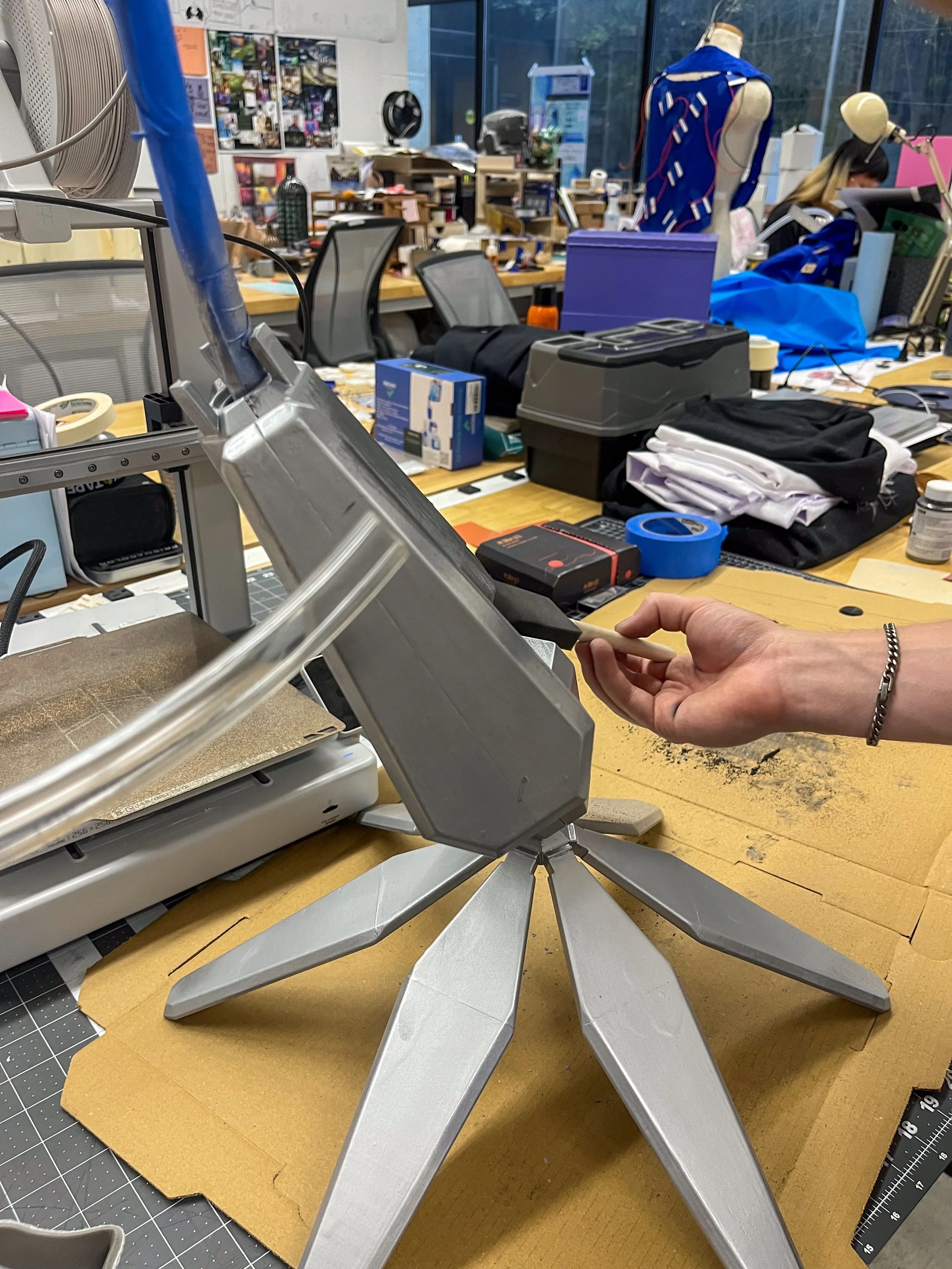
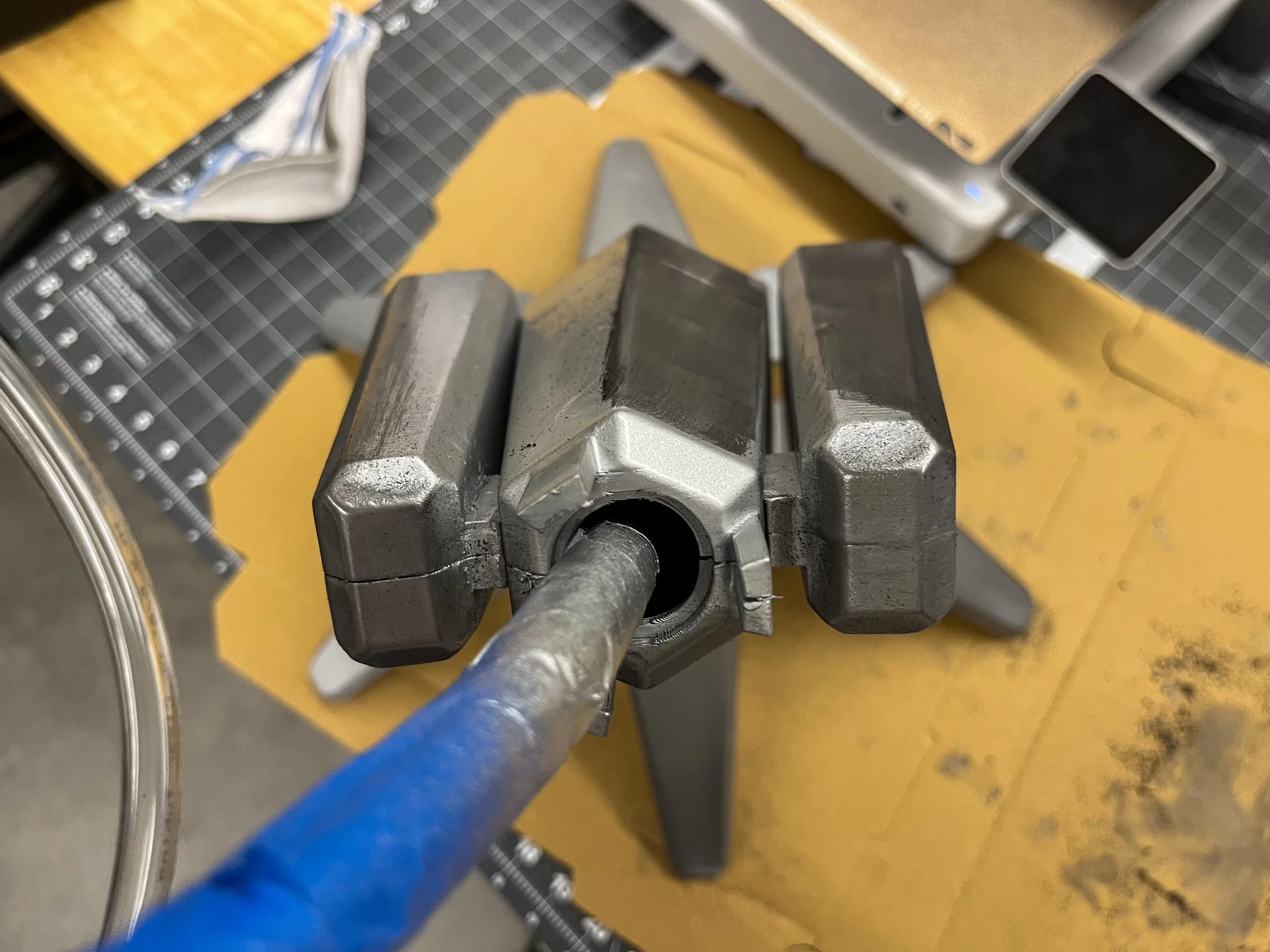
Final Prototype building process
Sanding, painting, and fabrication.
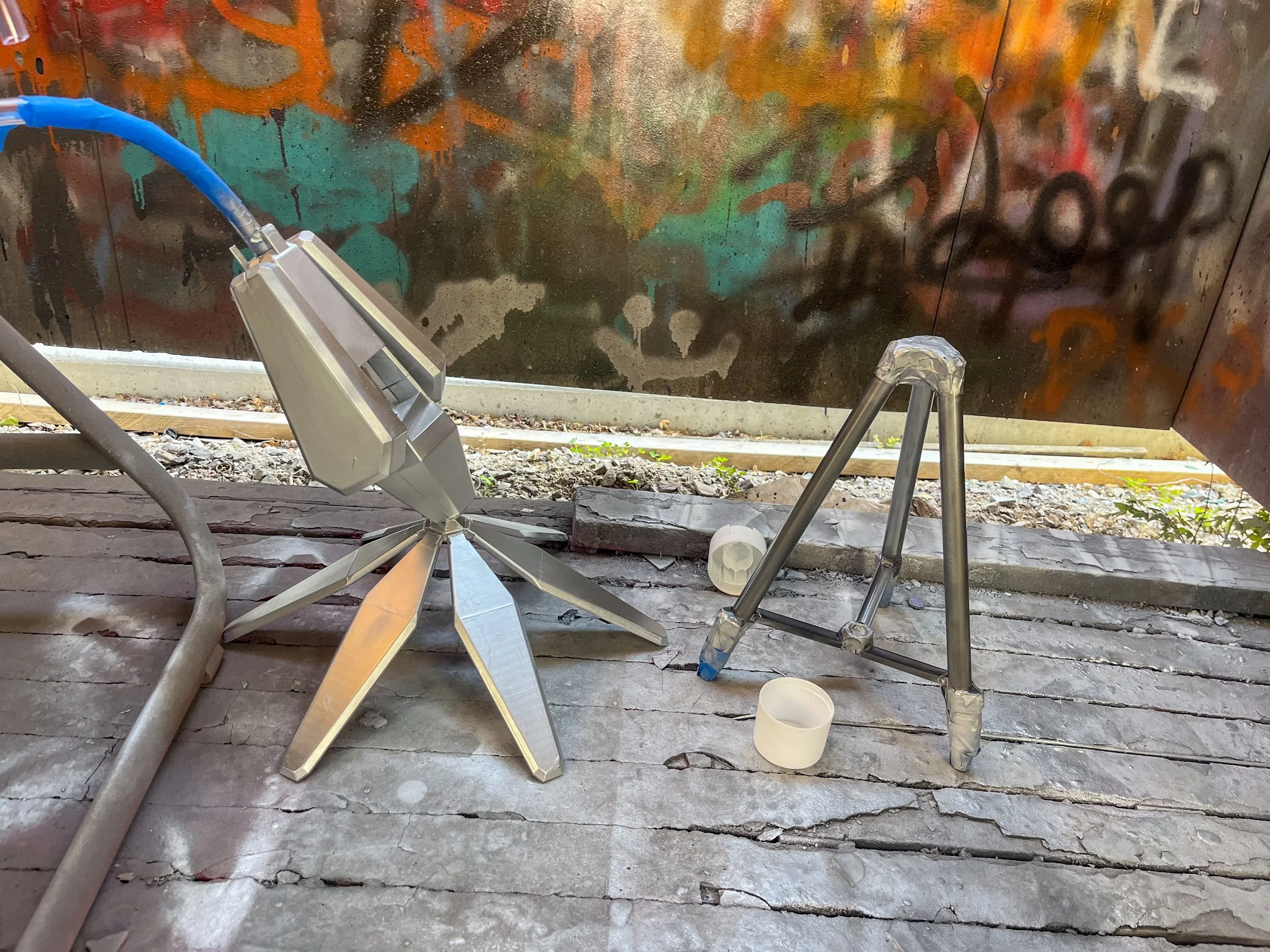
Final Prototype
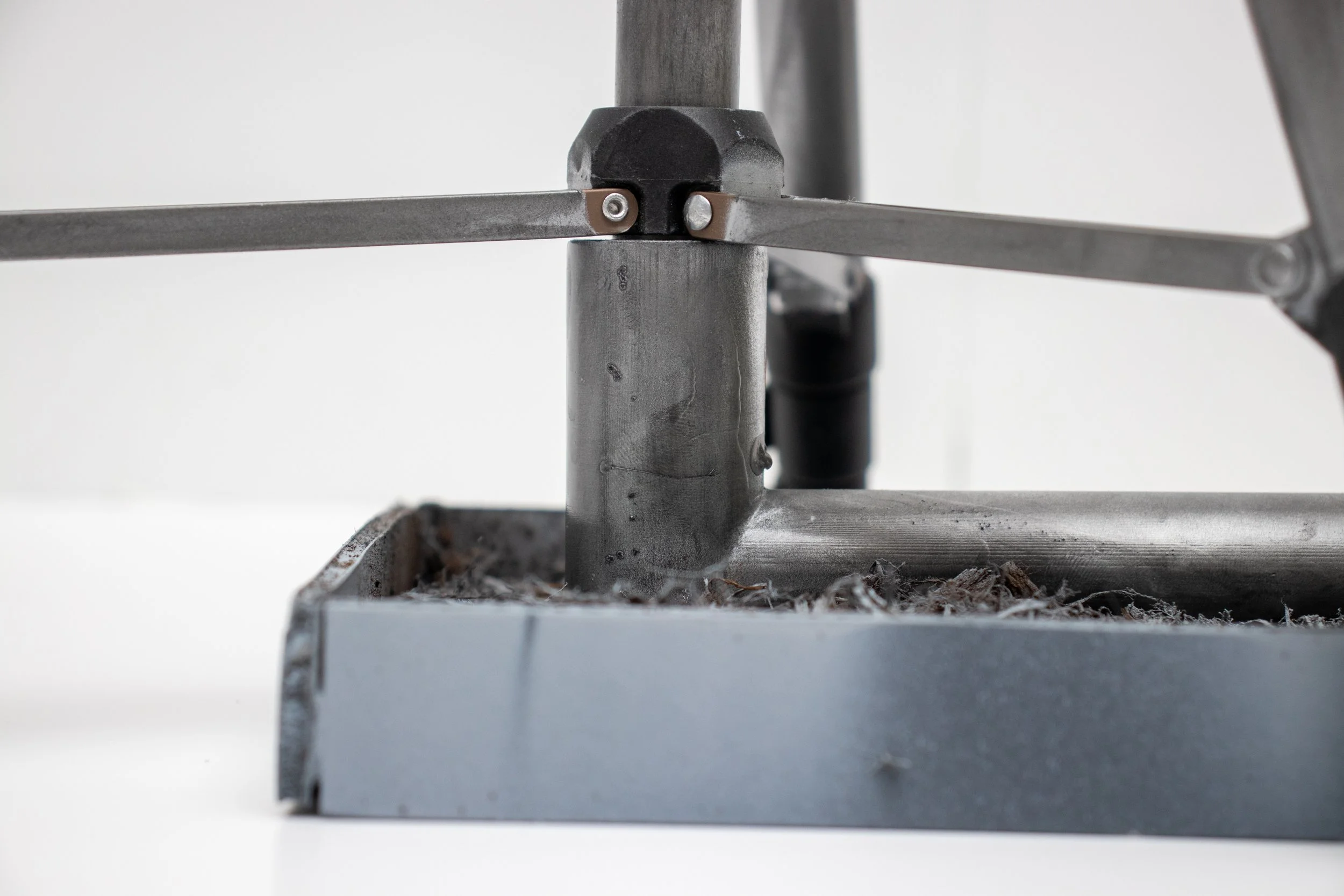
1/4 Scale model with moving solar panels and water tanks.
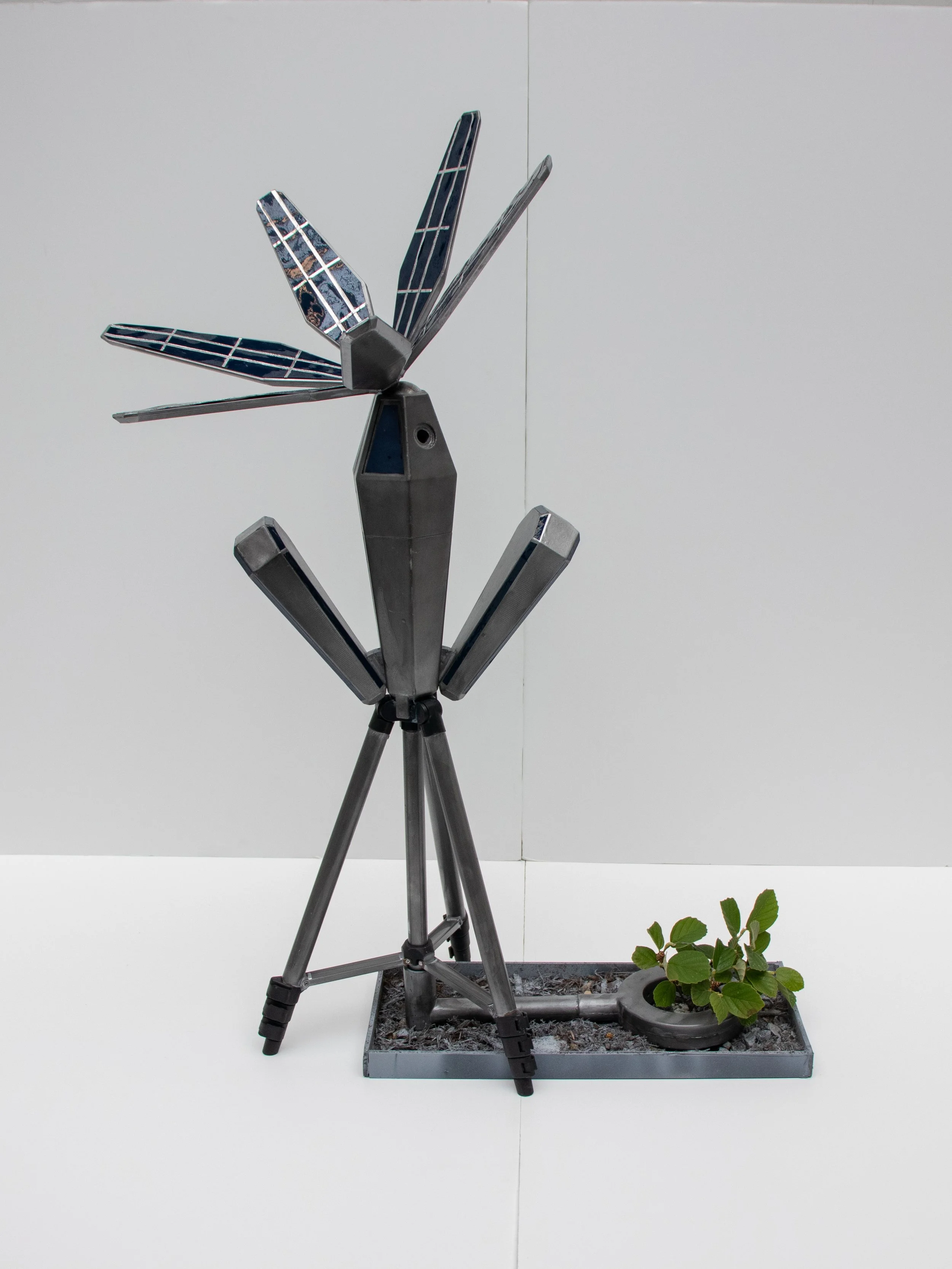
Opening Stages
Easy portability and compactability.